


The construction industry is a complex web of design, architecture, materials, environmental conditions, and human labor. When a project goes according to plan, the result is an impressive structure that serves communities for decades. However, when things go wrong whether through structural failures, design flaws, unexpected delays, or cost overruns the financial and legal stakes can escalate rapidly. In these situations, determining what actually happened and who is responsible becomes a monumental task. This is where forensic engineering consultants step into the spotlight, serving as critical investigators and objective experts in resolving complex construction disputes.
Understanding Forensic Engineering in Construction
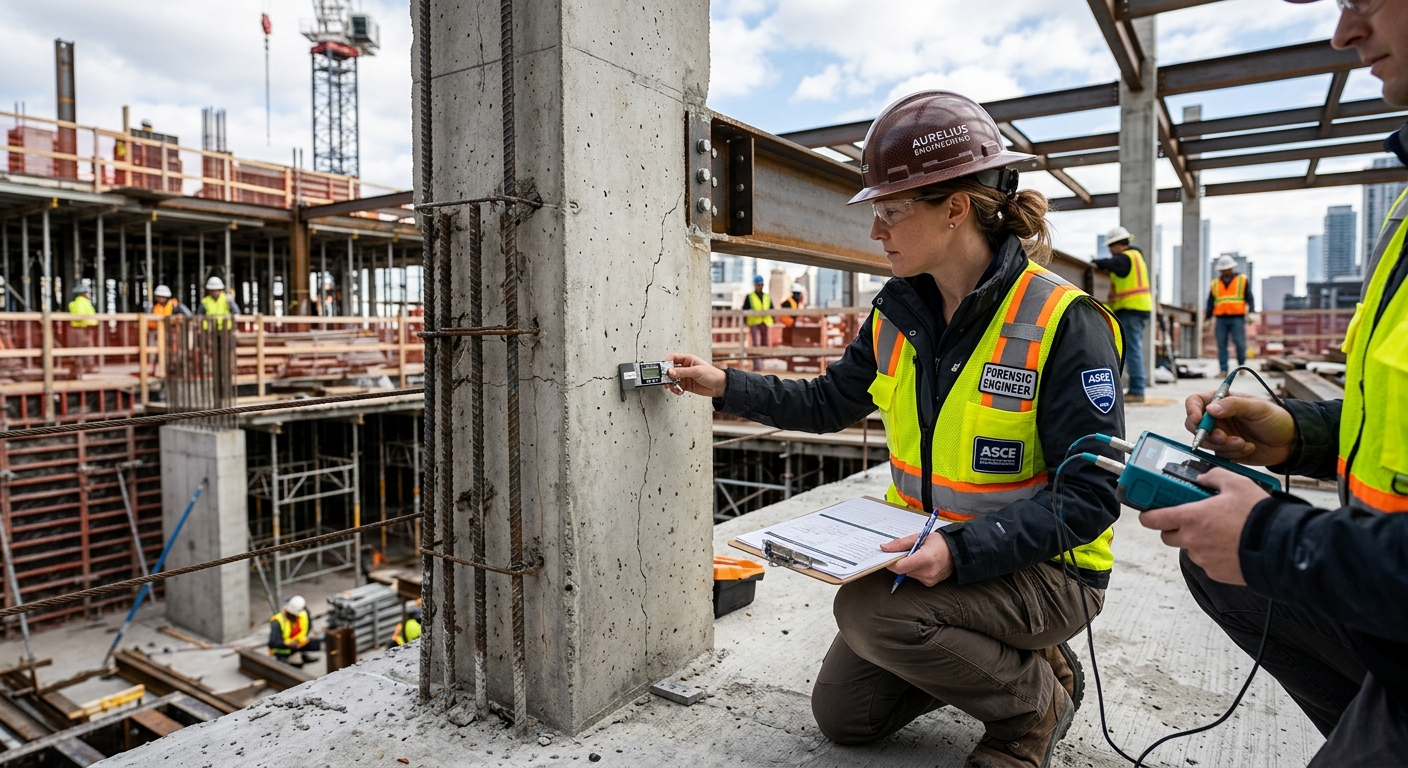
Forensic engineering is the application of engineering principles and scientific methodologies to the investigation of failures or performance problems. In the realm of construction, these consultants operate much like crime scene investigators for buildings, bridges, dams, and infrastructure. Instead of analyzing physical evidence to solve a crime, forensic engineers examine degraded concrete, twisted steel, water intrusion patterns, and altered project schedules to determine the root cause of a failure.
The scope of a forensic engineer’s work extends beyond simple physical collapse. While catastrophic failures naturally attract significant attention, the majority of construction disputes involve less dramatic but highly costly issues. These include chronic water leakage, premature foundation settling, improper soil compaction, building envelope defects, and disputes over schedule delays or material substitutions. Forensic engineering consultants bring a rigorous, fact-based approach to dissecting these problems, cutting through emotional claims and conflicting opinions to reveal the physical reality of what occurred.
The Investigative Process: Root Cause Analysis
At the heart of a forensic engineer’s responsibility in dispute resolution is root cause analysis. When a defect or failure occurs, multiple parties often point fingers at one another. A developer might blame the general contractor for poor workmanship, the contractor might blame the subcontractor, and the subcontractor might claim the original architectural blueprints were flawed.
To break through this circle of blame, forensic engineering consultants conduct thorough, systematic investigations. They gather physical evidence from the site, take non-destructive measurements, collect core samples for laboratory testing, and review extensive project documentation. This documentation includes original design drawings, engineering calculations, change orders, daily work logs, weather records, and material delivery manifests. By synthesizing physical evidence with documented project history, the consultant can recreate the timeline and mechanics of the failure. This scientific approach helps separate primary causes from secondary symptoms, providing a definitive narrative of failure mechanism that withstands legal scrutiny.
Facilitating Out-of-Court Settlements
While forensic engineers frequently testify as expert witnesses in courtrooms and arbitration proceedings, their most significant impact often occurs before a trial ever begins. Construction litigation is notoriously expensive, lengthy, and risky for all parties involved. Prolonged court battles can drain resources and damage professional reputations.
By providing early, impartial assessment reports, forensic engineering consultants frequently facilitate out-of-court settlements. When all parties in a dispute receive a clear, scientifically backed assessment of the defect or delay, the strengths and weaknesses of each legal position become evident. Armed with objective technical facts, insurers, developers, contractors, and design professionals can engage in realistic settlement discussions during mediation or neutral evaluation. In many instances, the definitive findings of a respected forensic engineer encourage parties to reach a mutually agreeable compromise, saving millions of dollars in potential legal fees.
Conclusion
The construction industry will always carry inherent risks due to its complexity, scale, and reliance on diverse human and environmental factors. When projects falter and disputes arise, forensic engineering consultants provide the essential scientific clarity needed to achieve fair resolution. Through meticulous site investigations, rigorous root cause analysis, precise schedule evaluation, and clear expert testimony, these professionals illuminate the technical truths behind complex claims. By transforming ambiguity into evidence-based clarity, forensic engineering consultants not only help resolve ongoing disputes efficiently but also contribute to safer, higher-quality construction practices across the industry.

